Overview


Treatments Available


Facilities & Equipment

Hospitals Available

Price Guide


Meet Your Doctor

Prevention

Cardiac Rehabilitation

Advantages Through Us

Send A Query

No obligation Free Medical Quote
Valve replacement :
Cardiology
Valve replacement India offers information on Valve replacement in India, Valve replacement cost India, Valve replacement hospital in India, Delhi, Mumbai, Chennai, Hyderabad & Bangalore, Valve replacement Surgeon in India

Areas of Specialisation:

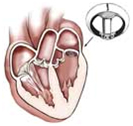
Heart valve surgery is a procedure used to repair or replace diseased heart valves.

Over the past few years, there have been great advances in the surgical treatment of diseased heart valves by heart valve surgery. The diagnostic tests your heart doctor orders help to identify the location, type and extent of your valve disease. The results of these tests, the structure of your heart, your age, and your lifestyle will help your cardiologist, surgeon, and decide what type of heart valve surgery procedure will be best for you. Valve disease can be treated by protecting your valve from further damage, taking medications, seeing your doctor for regular visits and having heart valve surgery.


Heart Valve Surgery

Traditional heart valve surgery

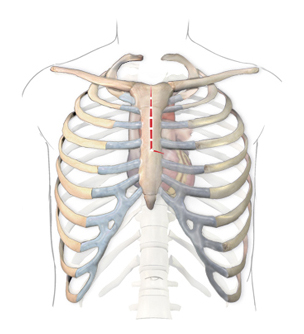
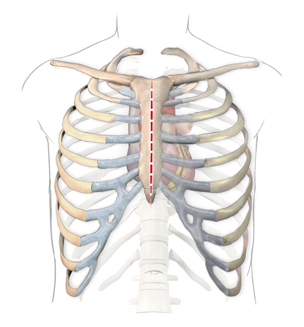
During traditional heart valve surgery, a surgeon will make an incision down the center of your sternum (breastbone) to get direct access to your heart. The surgeon then repairs or replaces your abnormal heart valve or valves. While this approach remains in use, today most patients with isolated valve disease can be treated with minimally invasive techniques.

Minimally invasive heart valve surgery

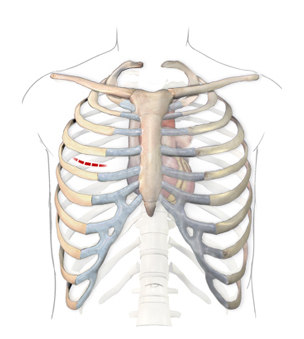
Minimally invasive surgery is a type of surgery performed through smaller incisions. This type of surgery reduces blood loss, trauma, and length of hospital stay. Heart valve surgery is the most common minimally invasive procedure. Your surgeon will review your diagnostic tests prior to your surgery to see if your are a candidate for minimally invasive valve surgery. Chest wall incisions used for heart surgery

Valve Replacement, Valve Replacement India, Aortic Valve Replacement, Cardiac Bypass Surgery
Figure : Traditional heart surgery incision: median sternotomy


Valve Replacement India, Aortic Valve Replacement, Cardiac Bypass Surgery, Cardiac Surgery
Figure : Minimally invasive approach: partial upper sternotomy


Aortic Valve Replacement, Cardiac Bypass Surgery, Cardiac Surgery, Medical, Healthcare
Figure : Minimally invasive approach: small right thoracotomy incision

Often, the heart surgeon and cardiologist will use transesophageal echocardiography during the operation to help determine the functioning of the valve before and after surgery.

There are two types of heart valve surgery: valve repair surgery and valve replacement surgery.

Heart valve repair surgery

Valve repair allows the surgeon to fix your faulty heart valve, often without the use of artificial parts. The advantages of heart valve repair are: The mitral valve is the most commonly repaired valve, but the aortic and tricuspid valves may also undergo some of these repair techniques.


Common valve repairs

Valve Replacement, Valve Replacement India, Cardiac Bypass Surgery, Cardiac Surgery, India surgery Tour
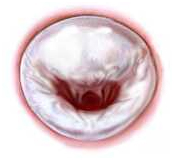
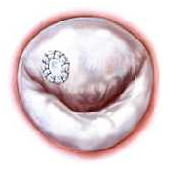
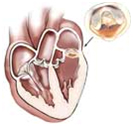
Figure : Heart valve prior to commissurotomy


Valve Replacement, Valve Replacement India, Aortic Valve Replacement, Cardiac Bypass Surgery, Cardiac, Valve, Surgery, Procedures, Cheap , Affordable
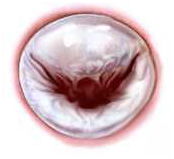
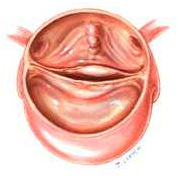
Figure : Repaired heart valve post-commissurotomy

Heart Valve Repair Surgery India, Heart Valve Disease, Valve Replacement India, Aortic Valve Replacement
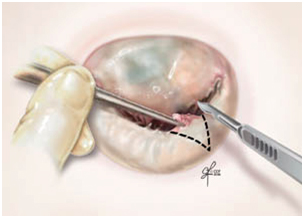
Figure : Ruptured chords at free edge of posterior leaflet. Region to be resected is indicated.


Aortic Valve Replacement, Cardiac Bypass Surgery, Cardiac Surgery, Medical, Healthcare
Figure : Abnormal segment has been removed. Leaflet edges are sewn together


Valve Replacement, Valve Replacement India, Aortic Valve Replacement, Healthcare
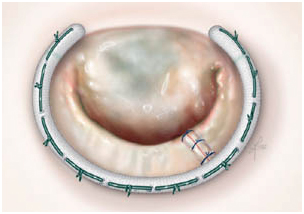
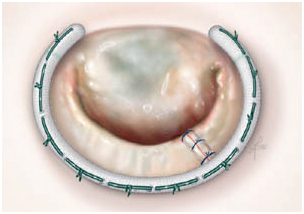
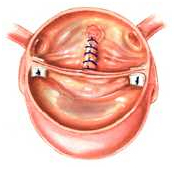
Figure : Annuloplasty completes the repair.

Valve Replacement India, Aortic Valve Replacement, Cardiac Surgery, Cardiac, Valve, Procedures, Cheap , Affordable
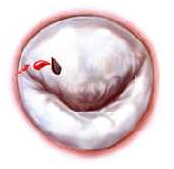
Figure : Patched Leaflet, Pre-Operation


Valve Replacement, Cardiac Bypass Surgery, Cardiac Surgery,Cardiac, Valve, Surgery, Affordable
Figure : Patched Leaflet, Post-Operation


Valve Replacement India, Aortic Valve Replacement, Cardiac Bypass Surgery, Cardiac, Valve, Surgery, Procedures, Cheap , Affordable
Figure : Annulus Support - Pre-Operation


Valve Replacement, Valve Replacement India, Cardiac Bypass Surgery, Cardiac Surgery, India surgery Tour, Cardiac, Valve
Figure : Annulus Support - Post-Operation


Heart valve replacement surgery

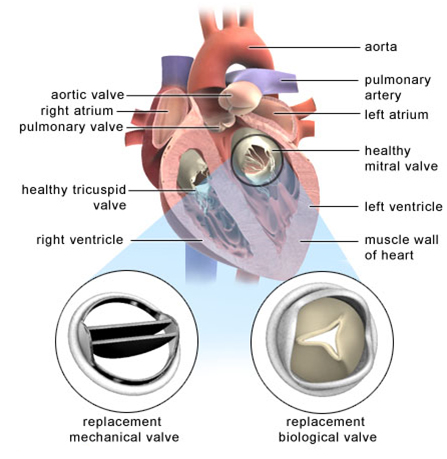
If valve repair is not an option, your surgeon may choose to replace the valve. The native valve is removed and a new valve is sewn to the annulus of your native valve. The new valve can either be mechanical or biological.

Valve Replacement India, Aortic Valve Replacement, Medical, India surgery Tour, Cardiac, Surgery, Procedures


Mechanical valve replacement

Valve Replacement India, Cardiac Bypass Surgery, Medical, Cardiac, Valve, Surgery

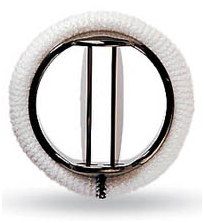
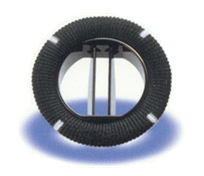
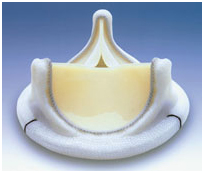
Mechanical valves are made totally of mechanical parts which are tolerated well by the body. The bileaflet valve is used most often. It consists of two carbon leaflets in a ring covered with polyester knit fabric. There are advantages and drawbacks to mechanical valves.

If valve repair is not an option, your surgeon may choose to replace the valve. The native valve is removed and a new valve is sewn to the annulus of your native valve. The new valve can either be mechanical or biological.

Valve Replacement, Aortic Valve Replacement, Cardiac Bypass Surgery, Cardiac Surgery,Healthcare
Figure : St. Jude Medical® Mechanical Heart Valve


Cardiac Surgery, Medical, Healthcare, India surgery Tour, Cardiac, Valve, Surgery, Global Surgical Treatment, Heart Valve Disease
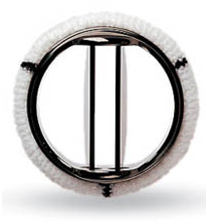
Figure : SJM Regent® Valve

The St. Jude Medical® Regent valve is available for aortic valve replacements, and the standard St. Jude Medical® valve is used in the aortic and mitral valve positions.

The St. Jude heart valve was the first bileaflet mechanical heart valve (St. Jude Medical® (SJM)). This valve has a track record spanning 3 decades of excellent results. This bileaflet mechanical heart valve is designed and manufactured of pyrolytic carbon.


The CarboMedics Prosthetic Heart Valve (CPHV™)

Aortic Valve Replacement, Cardiac Bypass Surgery, Medical, Healthcare, Cardiac, Valve, Surgery, Procedures
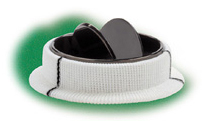
Figure : Top Hat™ Supra-Annular Aortic Valve


Recover, Discover, Heart Valve Surgery India, Heart Valve Repair Surgery India, Global Surgical Treatment, Heart Valve Disease

Figure : Standard Mitral Valve

CarboMedics manufactures a variety of bileaflet mechanical heart valves. The Top Hat Supra-Annular valve is used for aortic valve replacement and the standard valve in the mitral position. A third valve, the Reduce R Aortic Valve may also be used for aortic valve replacement.

The valve housing and leaflets are made of Pyrolite carbon, a unique form of carbon which Carbomedics engineers discovered in the sixties. Attached to the carbon housing is a reinforcing band of titanium and attached to the titanium band is a suture ring of PET fabric. A metallic nitinol wire holds the titanium ring to the housing with an interference groove system. Pyrolite is biocompatible.

Advantages:

Mechanical valves are very durable. They are designed to last a lifetime.

Disadvantages:

Due to the artificial material involved, patients who receive these valves require lifelong treatment with a blood-thinning (anticoagulant) medication. Blood-thinners are medications (such as warfarin or Coumadin) that delay the clotting action of the blood. They help prevent clots from forming on the mechanical valve, which can cause a heart attack or stroke.


Tissue valves (also called biologic or bioprosthetic valves):

Valve Replacement, Cardiac Bypass Surgery, Cardiac Surgery, Healthcare, Cardiac, Valve

Tissue valves (also called biologic or bioprosthetic valves) are made of human or animal tissue. Some valves may have some artificial parts to help give the valve support and to aid placement.

There are three types of tissue valves: pig tissue (porcine), cow tissue (bovine), and human (allografts or homografts).

Valve Replacement, Valve Replacement India, Aortic Valve Replacement, Cardiac Surgery, India surgery Tour, Cardiac, Valve, Surgery
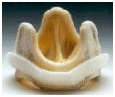
Figure : Porcine stented valve

The porcine stented valve was the first generation of porcine tissue valves. They have been available for more than 30 years.

The valves are made from natural porcine aortic valves, but may be used for aortic or mitral valve replacement. They are trimmed and then fixed in buffered glutaraldehyde at high pressure. The valves are mounted on flexible stents (frames). The bottom of the valve is covered with a seamless knitted polytetrafluoroethylene cloth. This material helps to facilitate the healing and ingrowth of tissue around the implanted valve.

Hospitals, Medical, Institutions, Physicians, Surgeons, Recover, Discover, Heart Valve Surgery India, Heart Valve Repair Surgery India
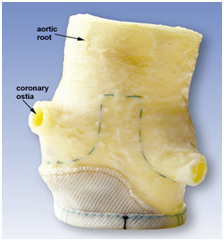
Figure : Porcine stentless valve

The porcine stentless valve is used for aortic valve replacement. The valve is made from a natural porcine aortic valve and is fixed in buffered glutaraldehyde solution at a low pressure.

No stents or synthetic sewing rings are used. Therefore, these valves are very similar to the homograft valve .

These valves are technically more difficult to implant but are useful in patients with small hypertrophied hearts.


The Carpentier-Edwards PERIMOUNT Pericardial Bioprosthesis

Valve Replacement, Valve Replacement India, Aortic Valve Replacement, India surgery tour, Cardiac, Valve, Surgery

Heart valves built to last

This valve is made of bovine pericardial tissue (tissue from a cow heart) that has been preserved in a buffered glutaraldehyde solution and mounted on a flexible frame and a sewing ring of molded silicone rubber, which allows the surgeon to sew the valve to the patient. Both the frame and the sewing ring are covered with a knitted polytetrafluoroethylene (PTFE) cloth.

The aortic pericardial bioprosthesis has been implanted internationally since 1981, and in the United States since 1991. In the summer of 2000, Carpentier-Edwards released a PERIMOUNT valve for the mitral position.

The benefit of this valve is enhanced durability, which is related to the use of pericardium and the specific bioengineering involved in the valve design.


Aortic Valve Allograft - the Homograft Valve

Valve Replacement, Valve Replacement India, Aortic Valve Replacement, Cardiac Surgery, Medical, Healthcare
Figure : The Homograft Valve

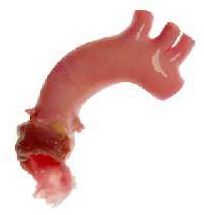
A homograft (also called allograft) is a valve that has been removed from a donated human heart, preserved and frozen under sterile conditions.

Homografts are ideal valves for aortic valve replacement, especially when the aortic root is diseased or there is infection. The heart's natural anatomy is preserved and patients do not need to be on any blood-thinner medications. Although the limited availability is a drawback in some settings, we maintain a large supply and have extensive experience with these valves.


Ross Procedure

The Ross procedure involves switching your pulmonary valve to the aortic valve position and then placing a pulmonary homograft. This is a very complex procedure; however it has many benefits, especially for young patients with aortic valve disease. Techniques, such as the Ross Procedure are examples of innovative ways surgeons are able to treat valve disease while protecting the heart's natural functioning. Click here to learn more about aortic surgery options in the young adult.


There are advantages and drawbacks to biologic valves.

Advantages:

Most patients do not need to be on lifelong blood-thinner medication, unless they have other conditions (such as atrial fibrillation) which warrant it.

Drawbacks:

Biologic valves, traditionally, were not considered as durable as mechanical valves, especially in younger people. Previously available biologic valves usually needed to be re-replaced after about 10 years However, recent studies on the PERIMOUNT aortic valve, show that these valves may last at least 17 years without decline in function. This represents a new milestone in durability of biologic valves.

The decision whether to choose a bioprosthetic or a mechanical valve is based on patient choice. In younger patients, the patient may weigh the inconvenience of taking a blood thinner (coumadin) versus the possibility of reoperation during their lifetime. In patients more than 60 years of age, the bovine pericardial valve will probably last for the duration of the patient's life.
*Name : *Email : * Phone : * Country : * Your Message * Security Question
  Treatments & Surgeries
    Cardiology    |    Cosmetic Surgery    |    Dentistry    |    Eye Surgery    |    Gastroenterology    |    General Surgery    |    IVF, Egg Donor
      & Surrogacy
   |   Minimally Invasive Surgery    |    Nephrology    |    Neurosurgery    |    Obesity Surgery    |    Oncology    |   
    Organ Transplantation    |    Orthopedics    |    Pediatrics    |    Spine Surgery    |    Urology And Urosurgery    |    Vasculary Surgery

 Menu Items
    Home    |    About Us    |    International Patient Services    |    Step By Step Process    |    Travel Guide    |    Tours Of India    |   
    Be Our Associate    |    FAQ    |    Corporate Health Care Solutions    |    Treatments & Surgeries    |    Corporate Hospitals    |   
    Speciality Centers    |    Doctors    |    International Accreditations    |    Patient Testimonials    |    Price Comparison    |    Alternative Healing    |          Related Links    |   

Valve Replacement, Valve Replacement India, Aortic Valve Replacement, Cardiac Bypass Surgery, Cardiac Surgery, Medical, Healthcare, India Hospital Tour, Cardiac, Valve, Surgery, Procedures, Cheap , Affordable, Packages, Patients, Hospitals, Medical, Institutions, Medical, Facilities, Physicians, Surgeons, Recover, Discover, Heart Valve Surgery India, Heart Valve Repair Surgery India, Global Surgical Treatment, Heart Valve Disease


| Contact Us | Query |

| Home | About Us | International Patient Services | Step By Step Process | Travel Guide | Tours Of India | Be Our Associate | FAQ | Corporate Health Care Solutions |
Call: + 91 9029304141 (10 am. To 8 pm. IST)
Email : info@indiasurgerytour.com (Preferred)
(Only for international patients seeking treatment in India)


| Treatments & Surgeries | Corporate Hospitals | Speciality Centers | Doctors | International Accreditations | Patient Testimonials | Price Comparison | Alternative Healing |
| Disclaimer | Site Map |